

Living in a clean environment is crucial for upholding good health, especially for those prone to allergies. Window coverings, often neglected in our tidying routines, can be major sources of dirt and irritants. They not only capture dust mites and pet dander but also foster the growth of mold and mildew, which can intensify asthma and other respiratory problems. Frequently cleaning your curtains is important for boosting indoor air quality and keeping a hygienic living space.
In this guide, we will discuss the leading methods for cleaning curtains properly, ensuring that you can get rid of dust, stains, and any potential allergens. From washing techniques to professional cleaning options, we will present you with the most effective curtain cleaning methods to help you maintain a more pristine home. Say goodbye to dirty curtains and welcome to purified air and better hygiene. #### Comprehending Allergy Triggers in Drapes
Drapes are often overlooked in the pursuit of a tidy and healthful living space environment. Yet, they may serve as a significant source of allergens, since they collect dust particles, furry debris, dead skin cells, and various particulates that gather over a period. These particles can serve as a habitat for tiny pests, fungi, and mold, intensifying respiratory problems and allergic reactions in sensitive individuals. Acknowledging the function of curtains with respect to indoor air purity is crucial for maintaining a sound environment.
Allergic substances found in soiled drapes can lead to multiple health problems, especially for asthmatic patients or other respiratory conditions. Upon being agitated, the particles within the curtains can be released into the air, decreasing the quality of indoor air. Regular cleaning is necessary not only to keep up the fabric’s aesthetic but also to minimize exposure to these irritants. This becomes crucial in homes with pets, as pet dander adds to the allergen load.
Proper window treatment cleaning strategies can greatly enhance sanitation and reduce the accumulation of allergens. Through routine washing or treating of drapes, you can remove mildew and mold spores, together with the dirt and blemishes that harbor harmful microorganisms. Creating a dependable cleaning schedule will help ensure your home atmosphere is kept clean and enjoyable, boosting both your well-being and the lifetime of your drapes.
The Effects of Soiled Drapes on Air Quality
Unclean drapes can considerably affect the internal air quality of your living space. Over time, drapes gather dust, allergens, and various pollutants that can cause respiratory problems. Dust mites, pet dander, and skin flakes are just a small number of the pollutants that settle on the fabric of curtains, creating an environment that can exacerbate asthmatic conditions and other respiratory ailments. When curtains are moved, these particles are dispersed into the air, where they can be inhaled.
Moreover, mold and mildew can thrive on dirty drapes, particularly in humid environments. These molds disperse spores that can result in allergic reactions and respiratory problems in reactive individuals. Frequent cleaning is vital to prevent the buildup of these harmful germs, as they not only impact air quality but can also jeopardize the hygiene of your living space. Keeping your drapes tidy helps lower the chance of mold proliferation and promotes a fresher environment.
Along with the health consequences, dirty drapes can contribute to stale air and bad odors. As they hold dirt and debris, they can create an unsanitary atmosphere that reduces your home's overall comfort. By focusing on the cleanliness of your drapes, you can improve air circulation and enhance the overall air standard, making your home cleaner and more pleasant.
Crucial Tools for Window Treatment Cleaning
To effectively clean curtains and enhance indoor air quality, having the suitable tools is necessary. Start with a vacuum cleaner equipped with a delicate bristle tool. This tool lets you gently remove dust and allergens from the material without causing damage. https://telegra.ph/Stretch-Your-Dollar-Should-Clean-or-Substitute-Your-Drapes-04-22 vacuuming can substantially reduce dust mites, pet dander, and dead skin cells that accumulate in your drapes, boosting overall cleanliness.
An additional important tool is a microfiber cloth, which is ideal for cleaning surfaces. Use it to clean up stains and manage areas where mold might develop. Micro-fiber is effective at containing particles, making it a fantastic option for erasing fungi and other allergens from fabric curtains, especially in high-humidity areas.
Finally, for those wishing to wash curtains, a mild laundry detergent is a requirement. Choose detergents that are free from harsh chemicals and fragrances, as these can cause respiratory issues and asthma in vulnerable individuals. Ensure that your detergent adequately clears stains and dust while sustaining the fabric's integrity, providing a superior cleaning solution for fresher living spaces.
Efficient Techniques to Wash Curtains
When it comes to maintaining a healthy indoor environment, washing curtains is crucial for reducing allergens like dust mites, mold, and pet dander. To successfully remove dust and stains, begin by vacuuming your curtains with a portable attachment or a vacuum with a brush head. This method is great for collecting loose dust, dead skin cells, and other debris that accumulate over time. Be sure to be patient and move your way from the top to the bottom, allowing any particles to drop to the ground for easy disposal.
For a thorough clean, washing curtains is often necessary, especially if they have not been cleaned in a while. Make sure to check the care label first, as some fabrics may require dry cleaning while others can be machine washed. If machine washing is suitable, use a gentle cycle with hot water to eliminate fungi and mold, and a mild detergent to preserve the fabric's integrity. For curtains that are particularly dirty, consider immersing them in a bathtub with a mix of vinegar and water to combat stubborn stains and odors.
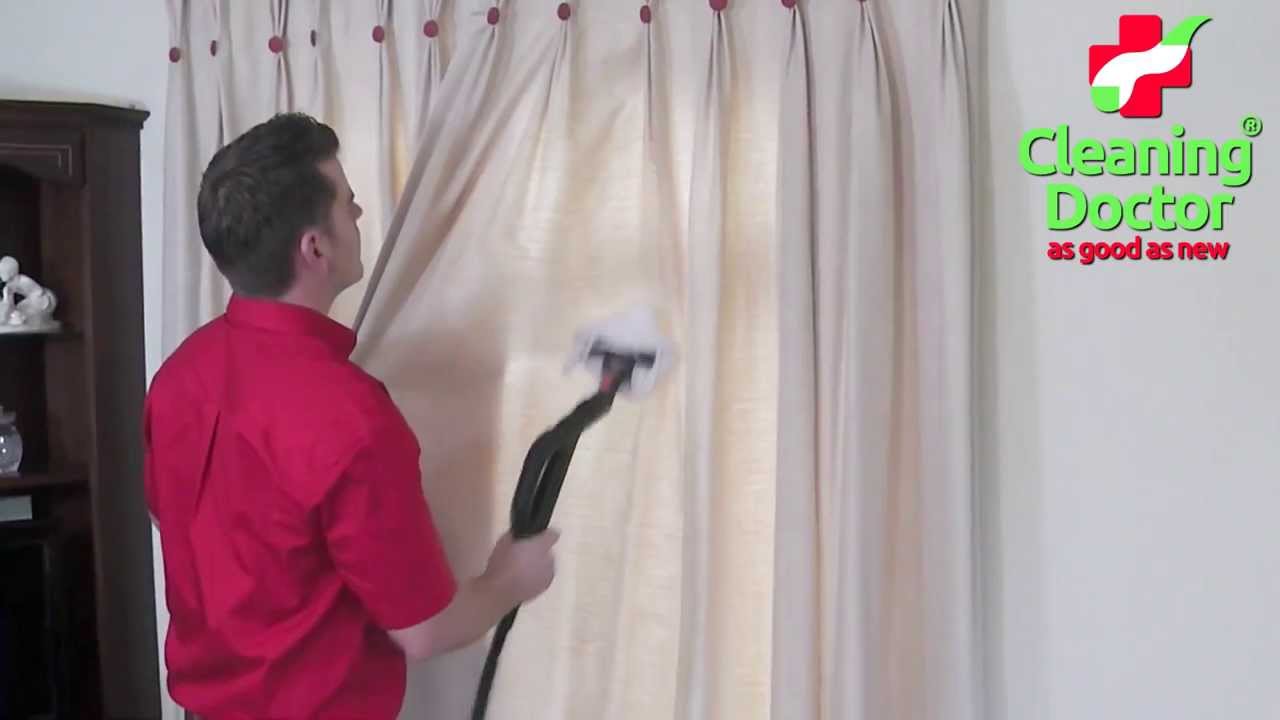
Lastly, steam cleaning is one of the best curtain cleaning methods for families with allergies or asthma. A steam cleaner can penetrate fabrics, effectively killing dust mites and mold without harsh chemicals. This method also helps to revitalize the curtains, improving indoor air quality and guaranteeing that your living space remains hygienic. Regular cleaning not only enhances the aesthetic appeal of your curtains but also supports healthier air quality in your home.
Suggestions for Caring for Allergen-Free Curtains
To maintain your curtains clear of allergens like dust mites, pet dander, and dead skin cells, regular cleaning is crucial. Think about wash your curtains at least once a month, based on the level of dust and allergens in your home. Use warm water when washing, as it helps eliminate many types of fungi and mold that thrive in damp environments. Additionally, make sure to check the care label for particular washing instructions to protect the fabric quality.
Besides regular washes, implementing a vacuum routine can considerably enhance your curtain maintenance. Use a vacuum with a HEPA filter or an upholstery attachment to gently remove dust and debris. Pay extra attention to the edges and folds where dust tends to gather. This practice not only helps ensure the hygiene of your curtains but also improves the overall indoor air quality by reducing allergens in your environment.
In conclusion, think about the environment where your curtains hang. Keeping windows closed during high pollen seasons can stop outdoor allergens from sticking to your curtains. To curtain cleaning service near me and mildew, be aware of humidity levels indoors; using dehumidifiers can provide a significant beneficial effect. By implementing these simple yet effective habits, you can considerably reduce allergens in your home and ensure a cleaner atmosphere for everyone.